
Your home should be a place of rest, not a source of stress — or illness. But for many Bay Area and Tri-Valley households, hidden allergens, inconsistent cleaning habits, and overlooked problem zones quietly chip away at indoor air quality and overall comfort. The good news: essential cleaning tips for a healthier home don’t require expensive products or hours of daily effort. They require the right approach, applied consistently.
With 26 years of professional cleaning experience serving Bay Area families and businesses, Your Solution Maintenance Service knows what separates a surface-level clean from a genuinely healthy home environment. This guide gives you the practical framework to get there.
Why Indoor Cleanliness Matters More Than You Think
Most people associate a dirty home with visible mess. But many of the biggest threats to your household’s health are invisible: dust mite colonies in bedding, mold spores in bathroom grout, and wildfire ash particles that settle into carpets after fire season. In Northern California specifically, homes face a combination of environmental stressors that competitors rarely address.
Bay Area marine layer humidity creates ideal conditions for mold growth in bathrooms and kitchens, particularly in homes with limited natural ventilation. Hard water from local municipal sources leaves mineral scale on faucets, shower doors, and glass surfaces that ordinary wiping won’t remove. And during wildfire season, fine particulate matter infiltrates even tightly sealed homes, embedding in upholstery, HVAC filters, and carpet fibers. Understanding what you’re cleaning — not just where — is the foundation of a genuinely healthier home.
Build a Cleaning Schedule That Actually Works
Start With a Daily Maintenance Habit
The most effective home cleaning routines are the ones that prevent buildup rather than combat it. Daily habits don’t need to take more than 15 minutes. Wiping kitchen counters after meal prep, doing a quick sweep of high-traffic entry zones, and rinsing sinks after use stops grime from hardening into a deeper problem.
Consistency matters far more than intensity. A quick daily pass through common areas reduces the frequency of major cleaning sessions and keeps allergen levels measurably lower between deep cleans.
Weekly Tasks That Protect Your Health
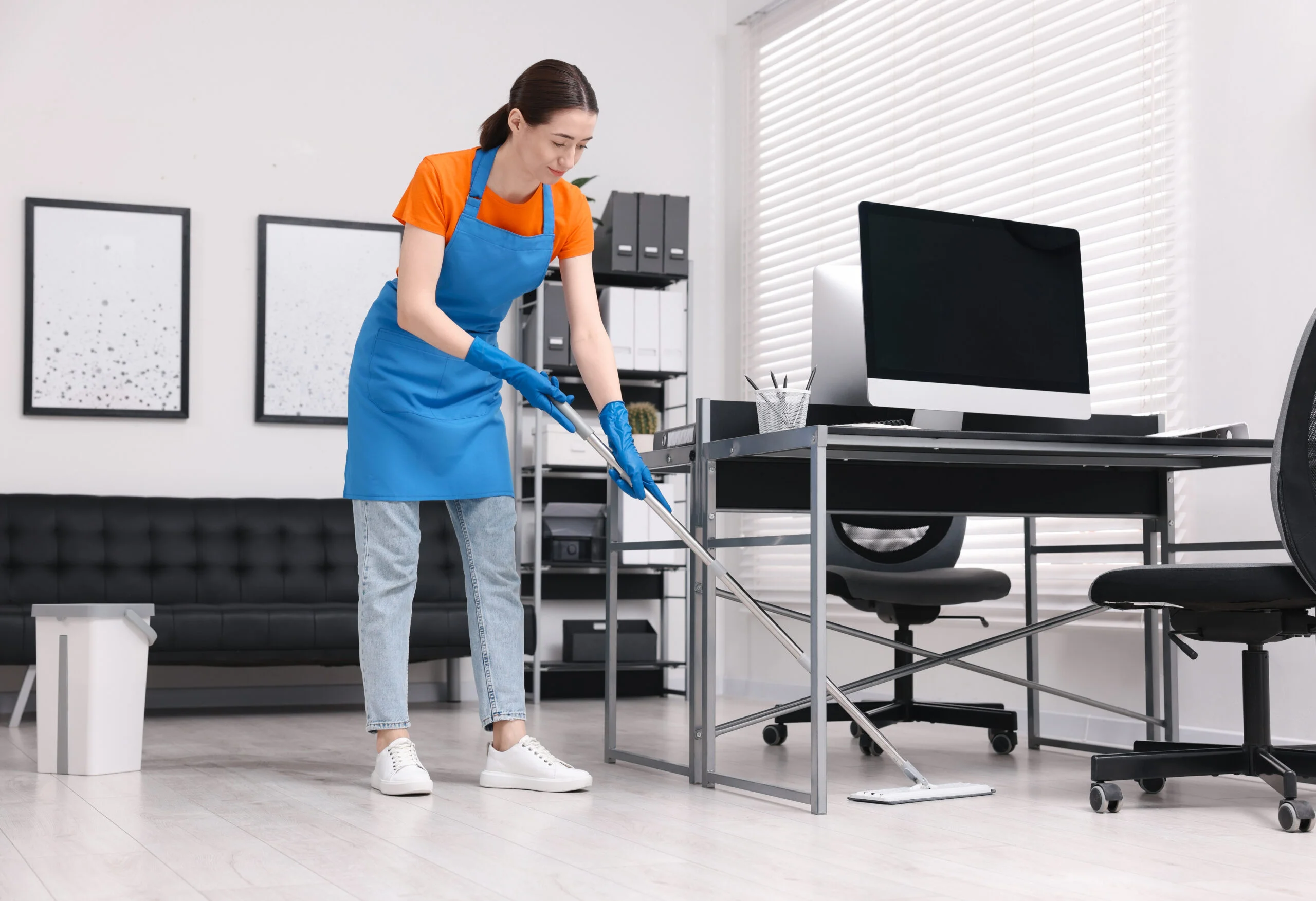
Weekly cleaning is where allergen management becomes real. Vacuuming with a HEPA-filter unit captures fine particles — including pet dander, pollen, and dust mites — rather than redistributing them into the air. Damp-mopping hard floors after vacuuming picks up what suction misses.
Bedding should be washed weekly in hot water. Pillowcases and duvet covers are contact surfaces your family spends up to eight hours touching every night. Skipping this step is one of the most common oversights in home allergen control.
Don’t forget ceiling fans, window sills, and blinds — three surfaces that accumulate dust silently and release it into breathing zones the moment air circulation increases.
Monthly Deep Zones and Forgotten Surfaces
Monthly cleaning targets the spots that weekly routines can’t reach: inside kitchen appliances, behind toilet bases, underneath furniture, and inside refrigerator drip trays. These areas are mold and bacteria hotspots in Bay Area homes, where humidity fluctuations are frequent.
Bathroom grout, shower door tracks, and exhaust fan covers deserve monthly scrubbing. Soap scum and mineral deposits accelerate mold colonization in these zones — a particular concern for households with children, elderly residents, or anyone managing respiratory conditions.
Smart Cleaning Practices That Prevent Cross-Contamination
1. Use Separate Cloths for Different Surfaces
One of the most overlooked sources of household contamination is the cleaning cloth itself. Using the same microfiber cloth on the bathroom toilet and then the kitchen counter spreads bacteria between zones that should never share cleaning tools.
At YSMS, our professional teams use a color-coded microfiber system specifically to prevent this kind of cross-contamination — the same principle every household cleaning routine should follow. Designate colors (or at minimum, separate sets) for bathrooms, kitchens, and common areas. It’s a simple change that dramatically reduces the transfer of harmful pathogens between rooms.
2. Clean in the Right Order
Always clean from top to bottom and from clean zones to dirty zones. Dust shelves before vacuuming floors. Clean kitchen surfaces before mopping. Disinfect bathrooms last. This sequencing ensures you’re not re-depositing contaminants onto already-cleaned surfaces — a mistake that undermines an otherwise thorough effort.
Address Allergens Directly, Not Accidentally
1- Carpets, Upholstery, and Air Quality
Carpets trap more allergens per square foot than any other surface in your home. Routine vacuuming helps, but it doesn’t fully address the dust mite populations and embedded particulates that accumulate over time. Professional carpet cleaning — typically needed every six to twelve months depending on foot traffic and pets — extracts what household vacuums cannot reach, reducing allergen load significantly.
The same applies to upholstered furniture. Fabric sofas and chairs collect pet dander, pollen, and skin cells. If you or a family member experience persistent allergy symptoms indoors, soft surfaces are often the source.

2- Windows and Hard Surfaces
Bay Area window glass is uniquely challenged by salt-laden marine air, mineral deposits from hard water, and ash residue during fire season. Clean glass doesn’t just look better — it allows more light into your home, which naturally inhibits mold growth on interior sills and frames.
YSMS’s window cleaning service uses professional-grade squeegee systems and spot-free rinse techniques to eliminate mineral streaks that paper towels and household sprays can’t resolve. For homeowners who’ve struggled with persistent haze on their windows, this is often the missing piece.
When to Call in the Professionals
Even the most diligent homeowner hits a threshold where daily habits and weekend cleaning sessions simply aren’t enough. Signs that your home is ready for professional intervention include: persistent musty odors despite regular cleaning, visible mold recurrence in bathrooms, carpets that remain dull after vacuuming, and worsening allergy symptoms with no clear outdoor trigger.
A professional deep cleaning addresses the accumulated buildup in grout lines, appliance interiors, and subfloor-level carpet fibers that routine cleaning misses entirely. It also resets the baseline — making your ongoing maintenance habits dramatically more effective in the weeks that follow.
YSMS has maintained a 98% client retention rate across 26 years of Bay Area service precisely because clients feel the difference a genuinely thorough clean makes. Our account supervisor model means a dedicated point of contact verifies quality on every visit — not an anonymous crew with inconsistent standards.
Your Bay Area Home Deserves Better Than a Surface Clean
Bay Area and Tri-Valley homeowners deserve a clean space they can trust — one that protects their family’s health, not just their appearance. Whether you need a comprehensive deep clean to reset your home or recurring professional support to maintain the standard your household deserves, YSMS is ready to help.
Call us at (510) 731-8447 to request a free quote or schedule a home walkthrough. We serve residential and commercial clients throughout the Bay Area and Tri-Valley with licensed, bonded, and insured cleaning teams.
Frequently Asked Questions
Weekly priorities for a healthier home include HEPA-filter vacuuming of all carpeted areas, damp mopping of hard floors, washing bedding in hot water, and wiping down bathroom surfaces with a disinfectant. These four tasks address the most common indoor allergen sources — dust mites, pet dander, and bacteria — before they accumulate to problem levels.
Bay Area homes face a combination of marine layer humidity, hard water mineral deposits, and seasonal wildfire ash that make cleaning requirements more demanding than in drier inland climates. Humidity accelerates mold growth in bathrooms and kitchens, while ash particulates from fire season embed deeply into carpets and upholstery. Homeowners in the region typically benefit from more frequent deep cleaning intervals than national averages suggest.
Most households benefit from professional carpet cleaning every six to twelve months. Homes with pets, young children, or residents with allergies or asthma should lean toward the shorter interval. Professional extraction removes dust mites, allergens, and embedded debris that standard vacuuming cannot reach, and it significantly improves indoor air quality in the days and weeks following the service.
Cross-contamination occurs when cleaning tools — cloths, mops, or sponges — carry bacteria or allergens from one surface to another. The most common example is using the same cloth in a bathroom and then in a kitchen. Establishing dedicated, color-coded cleaning tools for different zones prevents the spread of harmful pathogens and is one of the simplest ways to elevate your home's hygiene standard.
Yes. YSMS serves residential clients throughout the Tri-Valley, including Pleasanton, Danville, and San Ramon. Services range from recurring maintenance cleaning to one-time deep cleans and specialized carpet or window cleaning. Every visit is backed by a 100% satisfaction guarantee — if anything doesn't meet your expectations, we return within 24 hours at no charge.
Strong indicators include persistent musty or stale odors even after cleaning, recurring mold in bathrooms, carpet that looks dull or flat despite regular vacuuming, and household allergy symptoms that worsen indoors rather than outdoors. These signs suggest surface-level cleaning is no longer adequate. A professional deep clean resets the baseline and makes ongoing maintenance significantly more effective.